Pugot
Ringkasan
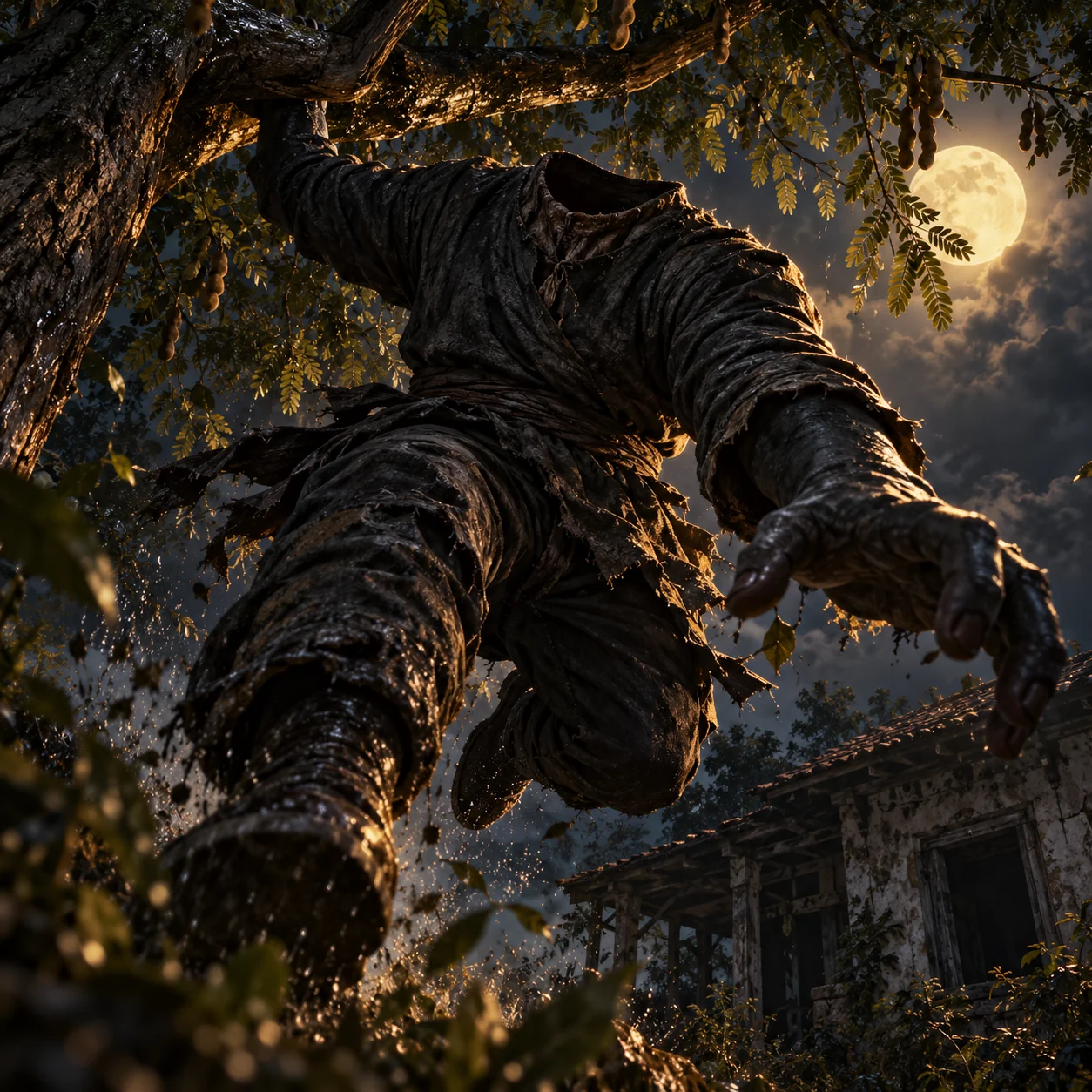
Pugot, atau si tanpa kepala, adalah makhluk jahat dalam cerita rakyat Ilocos, Filipina, yang biasanya tampak sebagai sosok besar hitam tanpa kepala tetapi dapat berubah menjadi babi, anjing, atau manusia.
The pugot, the decapitated one, is a fiend of Ilocos folklore in the Philippines that usually appears as a big, black headless being but can take the shape of hogs, dogs or humans.
Kisah dan tradisi
Pugot, yang berarti si terpenggal, adalah makhluk dalam cerita rakyat wilayah Ilocos di Filipina. Ia dapat berubah menjadi babi, anjing, atau manusia, tetapi biasanya tampak sebagai sosok besar hitam tanpa kepala. Menurut Maximo Ramos yang dikutip The Aswang Project, kata pugot berarti "yang hitam", "yang terpenggal", atau "yang terpotong tangannya", dan makhluk ini dikenal dengan nama itu di Luzon utara dan tengah, tetapi kurang sebagai makhluk tanpa kepala dan lebih sebagai makhluk hitam yang ukurannya berubah-ubah, dari sekecil bayi hingga sebesar pohon akasia besar. Pugot tinggal di tempat gelap atau rumah kosong dan terutama suka pohon seperti duhat, santol, dan asam; The Aswang Project menyebut ia hidup di pohon besar atau rumah terbengkalai. Selain dapat berubah wujud, ia bergerak sangat cepat dan memakan ular serta serangga di antara pepohonan lewat tunggul lehernya. Meski menakutkan, ia relatif tidak berbahaya, tetapi gemar mengambil pakaian dalam perempuan dari tali jemuran. Menurut The Aswang Project, di antara orang Ilocano dan Pampango pugot adalah roh malam hari, biasanya berbentuk sosok raksasa yang gelap, menakutkan tetapi tak terlalu berbahaya. Kemampuannya berubah wujud dengan cepat membuatnya lawan yang tangguh: kadang kucing bermata api, lalu anjing besar, lalu sosok hitam raksasa yang mengisap cerutu, dan akhirnya lenyap sebagai bola api. Jordan Clark juga menyebut ada tiga versi pugot yang jelas terdefinisi, belum termasuk versi pemakan anak yang dikenal sebagai Pugot Mamu. Fansler mencatat bahwa akar kata pugut ada di banyak dialek dengan dua arti, yaitu orang Negro atau Negrito pegunungan dan "terpenggal", dan bahwa orang Tagalog, Bicol, serta Visaya tidak memakainya untuk setan malam hari. The Aswang Project menyebut pugot setara dengan kapre dalam tradisi Tagalog, yang akhirnya mengambil alih ciri-ciri awalnya. Jordan Clark menyebut kepercayaan paling awal tentang pugot ada dalam mitos Ilocano sebagai roh penduduk asli leluhur (Aeta) penjaga harta karun, menduga pugot mungkin semula dianggap roh jasad yang dipenggal dan tak diberi pemakaman layak, dan bahwa pembunuhan pastor Katolik oleh orang Ifugao pada akhir abad ke-19 memunculkan versi pastor tanpa kepala. Pugot juga muncul dalam mitos Ifugao "Tulud Nimputul: The Self-Beheaded", tempat ia menampakkan diri kepada sang pahlawan yang memberinya makan daging ayam cincang bercampur darah. Dalam kisah Pampanga "Suac and His Adventures", yang dicatat Fansler, Pugut adalah lelaki hitam raksasa berjanggut panjang di puncak pohon yang merampas makanan para pemburu, hingga akhirnya dikalahkan oleh Suac yang cerdik.
The pugot, meaning the decapitated one, is a being known from Ilocos folklore in the Philippines. It may appear as hogs, dogs or humans, though it is usually described as a big black figure without a head. According to Maximo Ramos as quoted by The Aswang Project, the word pugot can mean "the black one", "the decapitated one", or someone whose hands were cut off, and the creature goes by that name across northern and central Luzon, where it is pictured more as a black being of changing size, from a tiny infant to a large acacia tree, than as a headless one. The pugot dwells in dark places or deserted houses and especially likes trees such as the duhat, santol and tamarind; The Aswang Project says it lived in large trees or abandoned houses. Besides shapeshifting it moves very fast and eats snakes and insects among the trees through its neck stump. Though frightening it is relatively harmless, but it is fond of taking women's underwear from the clothesline. The Aswang Project describes the pugot, among Ilocanos and Pampangos, as a night spirit usually shaped like a giant dark figure, frightening yet not especially harmful. Its quick transformations made it a formidable opponent: sometimes a cat with fiery eyes, then a large dog, then an enormous black figure smoking a cigar, and finally vanishing as a ball of fire. Jordan Clark also says there are three clearly defined versions of the pugot, not counting the child-eating version known as the Pugot Mamu. Fansler notes that the root pugut is found in many dialects with two meanings, a Negro or Negrito of the mountains and "decapitated", and that the Tagalogs, Bicols and Visayans do not use it for a night demon. The Aswang Project says the pugot matched to the Tagalog kapre, which eventually took over its early attributes. Jordan Clark traces the earliest pugot belief to Ilocano myths of ancestral aboriginal (Aeta) spirits that watch over treasures, speculates that the pugot was perhaps first thought to be the spirits of decapitated bodies left without proper burial, and that Ifugao attacks that killed Catholic priests late in the 19th century gave rise to a headless-priest version. The pugot also appears in the Ifugao myth "Tulud Nimputul: The Self-Beheaded", where it appears to the hero, who feeds it chopped chicken meat mixed with blood. In the Pampanga tale "Suac and His Adventures", recorded by Fansler, Pugut is a very large black bearded man atop a tree who takes the hunters' food, until the cunning Suac defeats him.
Fakta utama
- Budaya / Culture
- Folklor Filipina
- Kawasan / Region
- Asia Tenggara
- Negara / Country
- Philippines
- Klasifikasi / Classification
- Shapeshifter
- Habitat
- Dwelling
- Kemampuan / Abilities
- Berubah wujud
Nama lain / Alternate names
Pugut